Setting up a productive home office environment can make all the difference in how effectively you work and how much you enjoy your daily tasks. Whether you’re new to working from home or want to improve your existing space, there are several key factors to consider to boost productivity and maintain a comfortable, inspiring workspace.
In this guide, we’ll walk you through tips and ideas for creating a home office that supports your best work.
Choose the Right Location
Selecting the correct spot for your home office is the first step. Ideally, this should be a quiet area with minimal distractions and good natural light. Consider a spare room, a nook in the living room, or a corner of a bedroom. The location should also allow for some privacy during meetings or focused work sessions.
If space is limited, try to carve out a designated zone that is only used for work to help your brain associate that area with productivity.
Invest in Comfortable and Functional Furniture
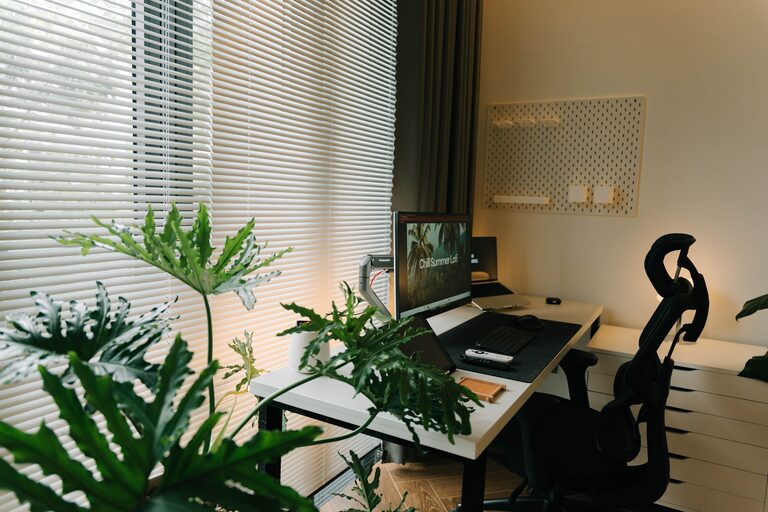
Your furniture choices greatly impact your comfort and efficiency. A good office chair with adequate back support is essential to prevent discomfort during long working hours. Similarly, a desk at the right height—preferably one with enough surface area to keep your essentials organised—can enhance your workflow.
Standing desks or adjustable desks are also worth considering as they allow you to change posture during the day, which can increase circulation and reduce fatigue.
Desk Organisation Tips
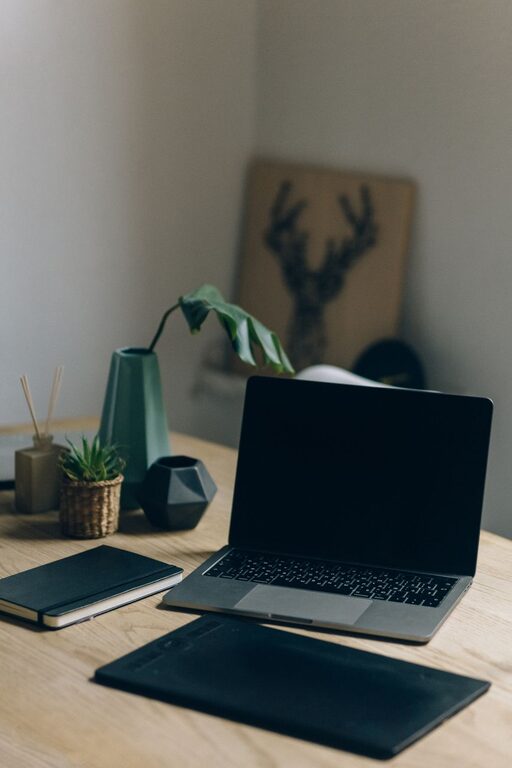
– Keep frequently used items within arm’s reach.
– Use drawer organisers or desk trays to reduce clutter.
– Limit personal items to a few favourites to keep focus.
Lighting Matters
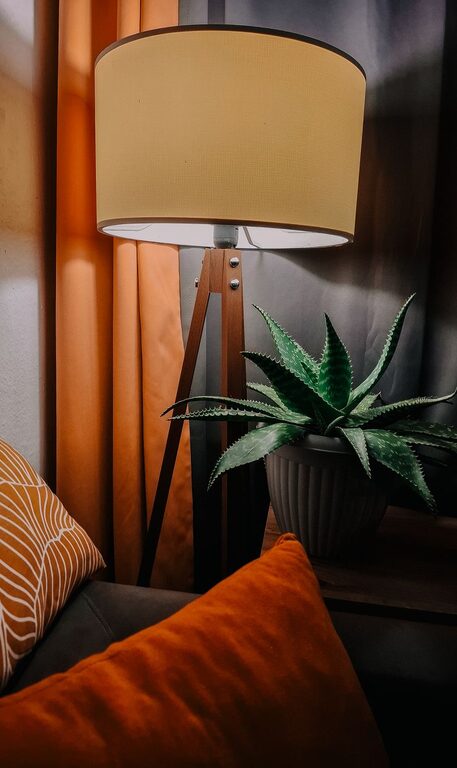
Proper lighting reduces eye strain and improves mood. Natural light is best, so position your desk near a window if possible. In addition, complement natural light with a good quality desk lamp for darker hours.
Avoid harsh overhead lighting or glare on your computer screen by adjusting curtains or blinds.
Create a Technology-Friendly Setup
Ensuring you have reliable technology is crucial for a smooth workday. Invest in high-speed internet, a quality monitor or laptop, keyboard, and mouse. Headphones or a headset with a microphone can help with virtual meetings.
Cable management solutions such as clips or sleeves keep wires tidy and reduce distractions.
Minimise Distractions
A productive home office encourages focus. Inform others in your home about your work hours to limit interruptions. Consider noise-cancelling headphones or white noise machines if ambient noise is an issue.
Try to keep your workspace free from non-work-related items like TV remotes or household clutter.
Incorporate Storage Solutions
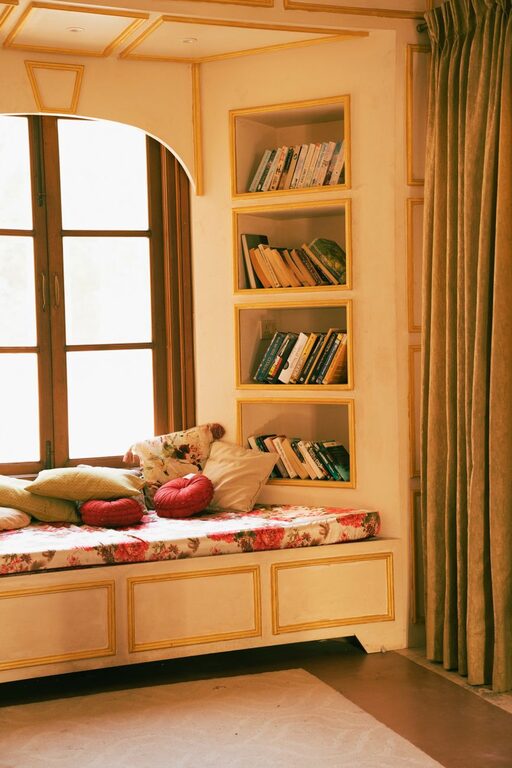
Clutter can be a productivity killer. Use shelves, filing cabinets, or storage boxes to keep paperwork and supplies organised. Label your storage to quickly locate what you need without wasting time.
Periodic tidying and filing routines prevent buildup and help maintain an efficient environment.
Personalise Your Space Thoughtfully
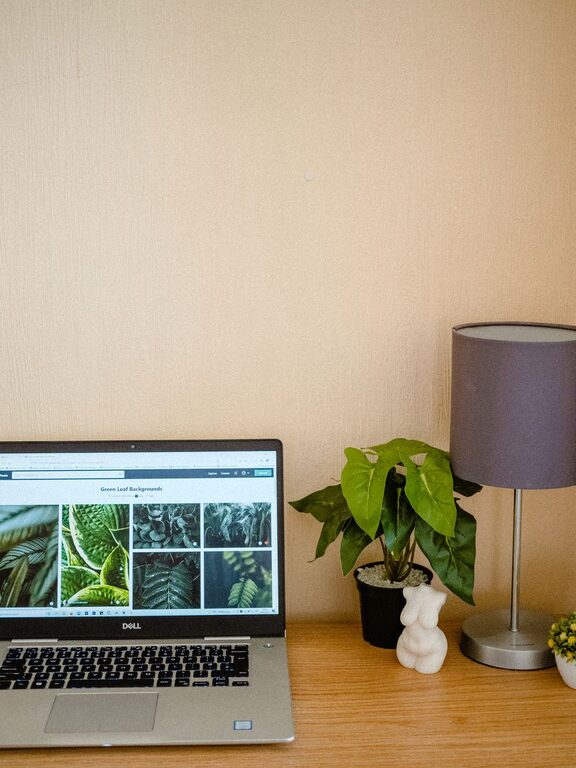
While keeping focus in mind, personal touches can make your office feel welcoming. Add plants, artwork, or inspirational quotes that motivate you, but avoid overdecorating to the point of distraction.
Choose colours that promote calm and concentration, such as soft blues, greens, or neutral tones.
Develop a Routine and Set Boundaries
Having a clear work schedule helps condition your mind to be productive during specific hours. Start and finish at consistent times, take regular breaks, and include time for physical activity.
If possible, separate your work area from your living space to create a mental division between work and relaxation.
Stay Organised with Tools and Apps
Utilise productivity tools like calendars, task managers, and note-taking apps to keep on top of your workload. Digital organisation complements your physical workspace and keeps priorities clear.
Maintain Good Ergonomics
Finally, paying attention to ergonomics prevents discomfort and long-term health issues. Position your monitor at eye level to avoid neck strain, keep feet flat on the floor, and maintain a straight posture.
Take regular breaks to stretch and move around to reduce fatigue.
—
Creating a home office that fosters productivity requires attention to detail and thoughtful planning. By selecting an ideal location, choosing suitable furniture, managing lighting and technology, limiting distractions, and organising your workspace, you set yourself up for success. Personalising your space and establishing boundaries supports a healthy work-life balance.
Implement these tips to transform your home office into a place where you can focus, create, and thrive.
About the Author