
Working from home has become increasingly common, making a well-organised home office more important than ever. A clutter-free workspace helps improve focus, reduce stress, and increase productivity. However, many find it challenging to keep their home office tidy amid daily tasks and paperwork. This post offers practical tips to help you create and maintain an organised, clutter-free home office space.
Why a Clutter-Free Home Office Matters
A cluttered workspace can distract you and make it harder to find important documents or tools. By organising your office effectively, you set yourself up for success, whether you’re working part-time from home or running a full-time home business.
Benefits of an Organised Office
– Reduced distractions and improved concentration
– Easier to locate supplies and paperwork when needed
– Creates a professional atmosphere for video calls or meetings
– Helps maintain work-life balance by defining your workspace
– Promotes a positive mindset and reduces stress
Step 1: Assess and Declutter Your Space
Before organising, take a critical look at your current office setup.
Sort Through Everything
– Gather all items from your desk, shelves, and drawers.
– Separate into categories: keep, recycle, donate, and trash.
– Be honest about what you really need regularly.
Clear Surfaces
Keep your desk and work surfaces as clear as possible. Only leave out items you use daily, such as your computer, a notepad, or a pen holder.
Step 2: Choose the Right Furniture and Layout
An efficient layout plays a huge role in maintaining a clutter-free office.
Desk and Chair
Select a desk appropriate to your tasks; a larger desk might be necessary if you use multiple monitors or spread out paper documents.
Choose an ergonomic chair to support good posture during long work sessions.
Storage Solutions
Incorporate storage units such as filing cabinets, shelves, or drawer organisers to keep items neatly stored away but easily accessible.
Step 3: Utilise Smart Storage and Organisers
Keeping everything in its place is key.
Use Vertical Space
Wall-mounted shelves or pegboards can store books, stationery, or tools without eating into floor or desk space.
Drawer Organisers
Use compartments inside drawers to separate items like pens, USB sticks, and paper clips.
Label Everything
Clear labelling helps you quickly identify where things belong and prevents items from piling up in random places.
Step 4: Manage Paperwork Efficiently
Paper clutter is a common challenge but can be managed with some systems.
Sort and Prioritise
Create an in-tray for incoming documents, a “to-do” pile, and a “file” pile for completed items needing safe storage.
File System
Develop a filing system that works for you—use folders or binders with categories like bills, receipts, and project files.
Digitise Documents
Where possible, scan documents to reduce physical paper and back them up securely in cloud storage.
Step 5: Establish Daily and Weekly Habits
Keeping the home office clutter-free requires regular attention.
End-of-Day Tidy
Spend 5–10 minutes at the end of each workday straightening your desk, filing papers, and putting away supplies.
Weekly Review
Once a week, reassess your setup. Toss anything that is no longer useful and adapt storage if needed.
Step 6: Minimise Distractions and Keep Technology Organised
Cable Management
Use cable clips, ties, or sleeves to bundle wires neatly behind your desk.
Limit Gadgets on Desk
Keep only essential devices on your work surface and store extras to avoid visual clutter.
Digital Organisation
Keep your computer files organised with clearly named folders and regular backups.
Bonus Tips for a Pleasant Workspace
Personal Touch
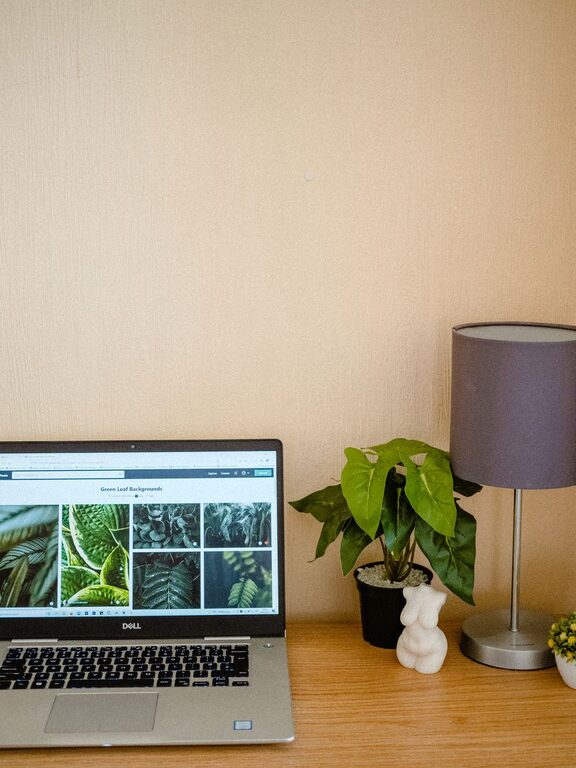
Add a plant, artwork, or a photo that inspires you, but keep decorations minimal to maintain calm.
Lighting
Ensure your workspace has adequate lighting—natural light is best, but good desk lamps are essential for darker hours.
Air Quality
If possible, keep windows open for fresh air or use an air purifier for a comfortable working environment.
—
A well-organised home office doesn’t just help you work more efficiently but also enhances your overall well-being. By following these practical tips, you can create a tidy and welcoming space that supports your best work every day. Remember, organisation is an ongoing process, so keep refining your system as your needs evolve.
About the Author