Creating a home workspace that feels cosy and inviting can make a big difference to your productivity and wellbeing, especially if you spend many hours working from home. A well-designed workspace helps you focus, reduces stress, and encourages good work habits. This post will guide you through easy and effective tips to turn any corner of your home into a welcoming and comfortable office space.
Why a Cosy Workspace Matters
Having a workspace that feels comfortable and personalised can boost motivation and creativity. When your environment feels warm and inviting, you’re more likely to enjoy your work and maintain a positive mindset. On the other hand, a cluttered or uninspiring space can make it harder to concentrate and may lead to fatigue.
Choosing the Right Location
The first step is finding the best place in your home for your workspace.
– Natural light: Look for a spot with plenty of daylight. Natural light improves mood and reduces eye strain.
– Low distraction: Choose a quiet corner or a less frequented room to minimise interruptions.
– Space to move: Ensure there’s enough room for your desk, chair, and any necessary equipment.
If you’re short on space, consider using a small desk in a bedroom corner or a fold-away workspace you can pack up after work.
Investing in Comfortable Furniture
Good furniture is essential for a cosy and inviting workspace.
– Ergonomic chair: A supportive chair helps prevent back pain and keeps you comfortable during long hours.
– Appropriate desk size: Choose a desk that suits your needs—not too big that it dominates the room, but roomy enough for your computer, notebook, and other essentials.
– Add a footrest: If your feet don’t rest comfortably on the floor, a footrest can improve posture.
Adding cushions or a cosy throw to your chair is a simple way to increase comfort and add warmth.
Personalising Your Workspace
Personal touches make your workspace feel unique and inviting.
– Artwork and photos: Hang or place pictures that inspire you or bring you joy.
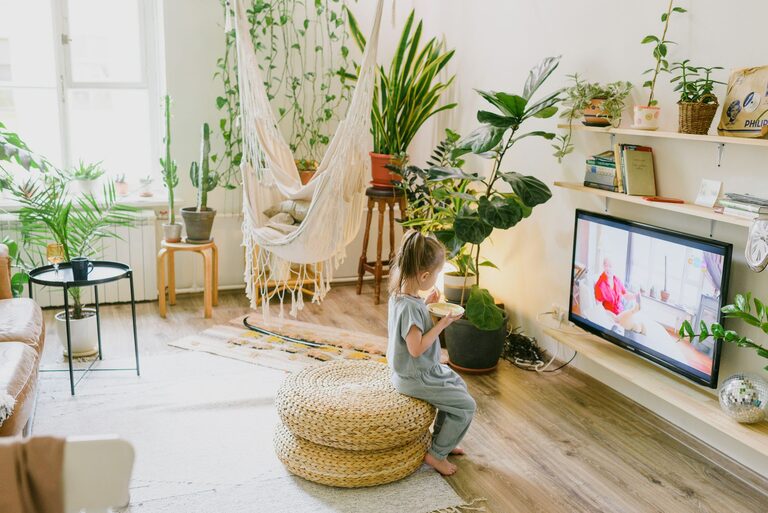
– Plants: Adding greenery purifies the air, adds colour, and creates a calming atmosphere.
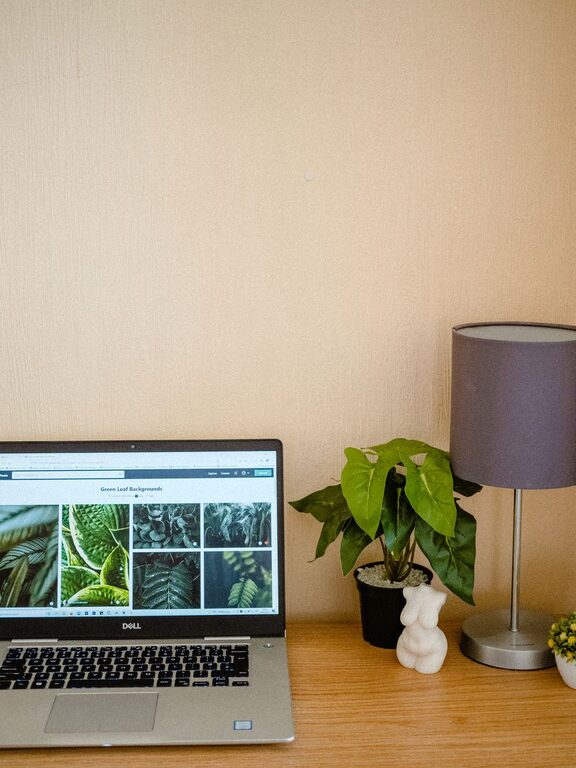
– Decorative objects: Use items like candles, figurines, or books that make you smile but don’t clutter the desk surface.
Try to strike a balance between personalisation and maintaining a clean, organised space to avoid distractions.
Lighting Tips
Proper lighting is vital for a cosy and functional workspace.
– Combine natural and artificial light: Take advantage of daylight and supplement it with desk lamps or overhead lighting.
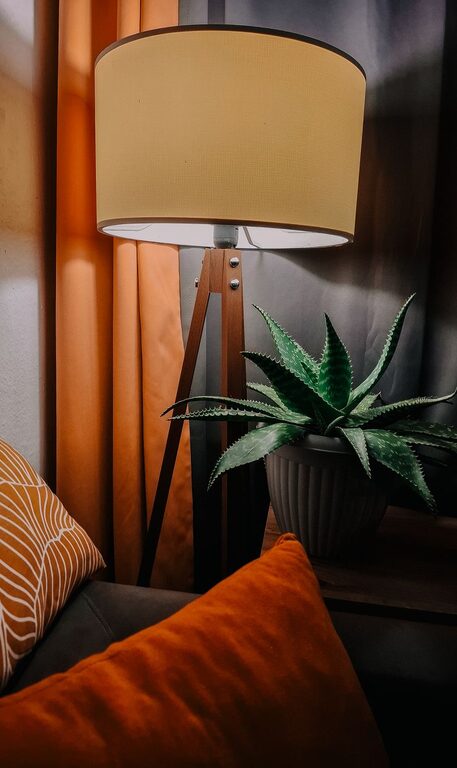
– Opt for soft, warm bulbs: Harsh lighting can create a cold environment, while warm lighting feels more relaxing.
– Position your lights carefully: Place your desk lamp to avoid glare on your screen or shadows on your workspace.
Adjustable lighting can help you tailor the environment to different tasks or times of day.
Keeping Your Space Organised
A tidy workspace helps maintain focus and reduces stress.
– Use organisers: Desk organisers, trays, or drawers keep stationery and papers tidy.
– Declutter regularly: Set aside time weekly to tidy your desk and file away documents.
– Cable management: Use clips, ties, or covers to keep wires neat and out of sight.
Having everything within easy reach without your desk looking overcrowded creates a pleasant and efficient working environment.
Adding Soft Textures and Colours
Incorporate soft materials and a calming colour palette to enhance the cosy feel.
– Rugs and cushions: A small rug under your desk or cushioned seat can make a hard floor more comfortable.
– Curtains or blinds: Choose window treatments that can soften natural light and add warmth.
– Colour scheme: Select soothing hues like soft blues, greens, or neutrals to create a relaxing atmosphere.
Avoid overly bright or harsh colours that might cause visual fatigue.
Creating Zones for Different Tasks
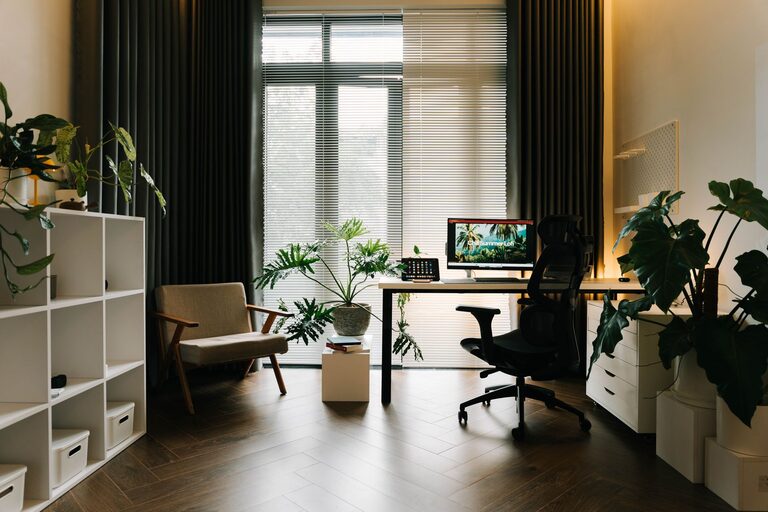
If your workspace permits, try to establish different areas for varied activities.
– Desk zone: Your main working area where you use your computer or write.
– Reading or brainstorming zone: A comfy chair or small couch with adequate lighting can be ideal for reading or thinking.
– Storage zone: Shelves or cabinets to keep files and supplies neatly stored away.
Having defined zones can help you switch between tasks and mentally separate work from breaks.
Incorporating Elements to Boost Wellbeing
Consider small additions that improve your comfort during the workday.
– Water bottle or herbal tea: Staying hydrated helps maintain energy levels.
– Air purifier or diffuser: A subtle scent or fresher air can enhance your mood.
– Music or white noise: Soft background sounds, if they help you focus, can make your workspace more enjoyable.
Listening to your body and adjusting your environment accordingly is key to long-term comfort.
—
Creating a cosy and inviting home workspace is all about combining comfort, functionality, and personal style. It doesn’t need to be expensive or complicated; even small adjustments can significantly improve your working experience. By choosing the right location, investing in ergonomic furniture, personalising with thoughtful touches, managing lighting and organisation, and paying attention to your wellbeing, you can create a space that makes working from home more productive and pleasant.
About the Author