Creating a relaxing home workspace is essential for maintaining focus, comfort, and productivity, especially as more people work remotely. A well-designed workspace can reduce stress and help you stay motivated throughout the day. In this post, we’ll explore practical tips to help you craft a calming and efficient home office environment.
Choose the Right Location
Find a quiet, dedicated space
Selecting a spot in your home that is quiet and free from distractions is the first step. Ideally, this should be a separate room or a corner away from high-traffic areas. Having a dedicated space signals your brain that it’s time to work, helping you switch into a productive mindset.
Maximise natural light
Try to place your desk near a window to take advantage of natural light. Exposure to daylight helps improve mood and energy levels, which can increase productivity. If natural light is limited, consider full-spectrum bulbs that mimic daylight.
Invest in Comfortable and Functional Furniture
Choose an ergonomic chair
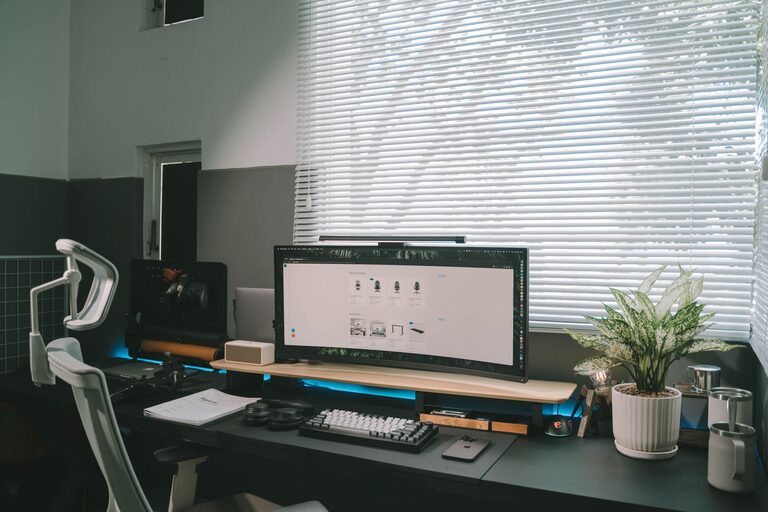
Comfort begins with a supportive chair that encourages good posture. An ergonomic chair with adjustable height, lumbar support, and comfortable cushioning can prevent back pain and fatigue during long working hours.
Opt for a spacious desk
Your desk should have enough surface area to accommodate your computer, documents, and essential tools without feeling cluttered. A tidy workspace promotes concentration and reduces stress.
Personalise Your Space with Soothing Elements
Use calming colours
Soft, neutral colours such as pale blues, greens, or greys create a peaceful atmosphere. These shades tend to reduce anxiety and promote relaxation, making it easier to focus.
Add plants
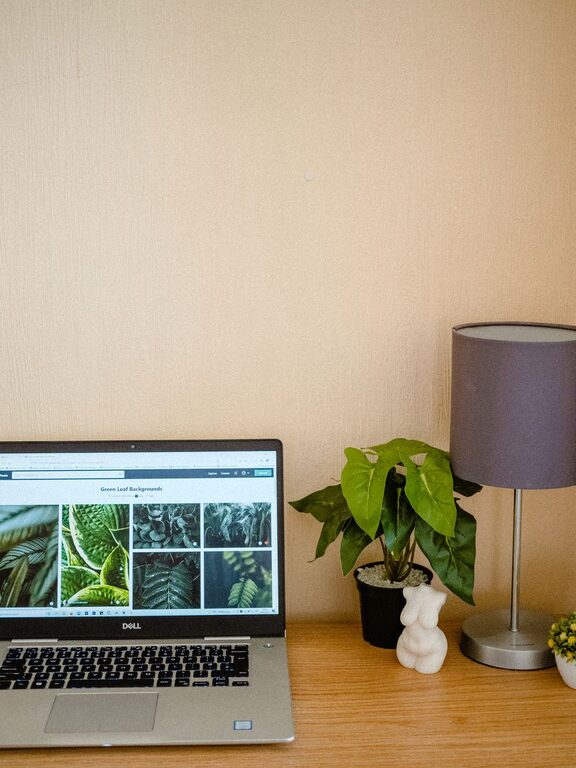
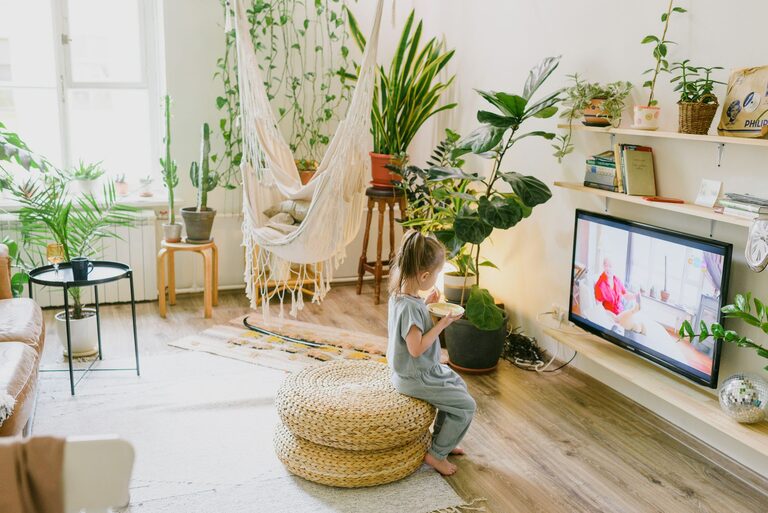
Indoor plants not only improve air quality but also bring a touch of nature to your workspace. Studies show that plants can lower stress levels and boost creativity. Choose low-maintenance varieties like succulents or spider plants.
Incorporate soft lighting
Harsh overhead lights can be tiring for your eyes. Use desk lamps with warm light or adjustable brightness to create a cosy ambiance that reduces eye strain.
Keep Your Workspace Organised
Declutter regularly
A cluttered desk can lead to a cluttered mind. Keep only the essentials on your desk and store other items in drawers or shelves. Regular tidying helps maintain focus and reduces distractions.
Use storage solutions
Invest in organisers like trays, file holders, or boxes to keep papers and supplies neatly arranged. Labelled storage makes it easy to find what you need quickly.
Minimise Noise and Distractions
Soundproof if possible
If your workspace is noisy, consider using soundproofing options such as heavy curtains, door seals, or white noise machines. Noise-cancelling headphones are also a great way to block out distractions.
Set boundaries
Communicate your working hours to household members to reduce interruptions. Using ‘Do not disturb’ signs can also signal when you need quiet time.
Incorporate Break-Friendly Features
Create a relaxation corner
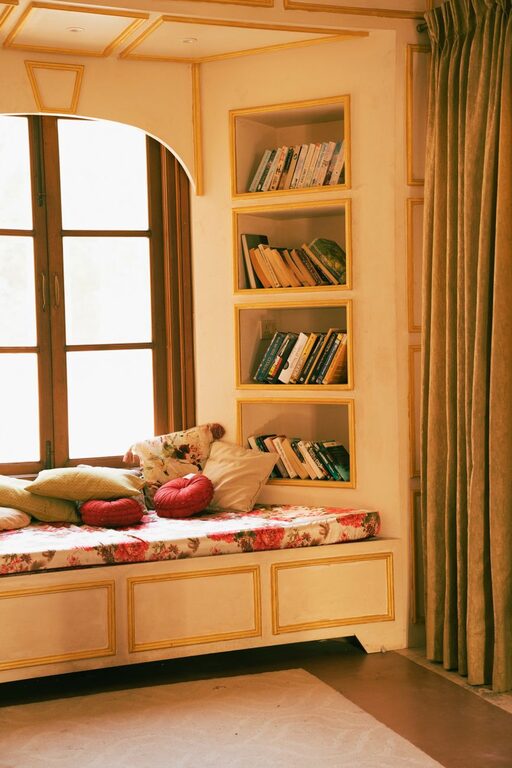
Having a spot in your workspace for short breaks can refresh your mind. Consider adding a comfortable chair or cushion where you can stretch, read, or meditate briefly.
Include hydration and snacks
Keep a water bottle and healthy snacks nearby to stay hydrated and maintain energy without needing to leave your space often.
Personal Wellbeing and Movement
Practice good posture habits
Remember to sit upright and take short breaks to stand or stretch every hour. Movement helps reduce fatigue and improves circulation.
Add reminders for wellness
Use timers or apps to remind you to blink, stretch, or take deep breaths to reduce physical tension and eye strain.
—
By putting these tips into practice, you can create a home workspace that feels welcoming and promotes productivity. A relaxing environment helps you stay focused and comfortable, making workdays more enjoyable and efficient. Take the time to tailor your space to your needs and preferences—it’s a worthwhile investment in your wellbeing and work performance.
About the Author